
On this page
The quick answer
30-second read- Aftermarket tints usually count as a modification. Check your insurer’s question and tell them about added tint.
- Factory-fitted glass is different. Insurers’ definitions vary, so check how yours treats factory options.
- Already on the car when you bought it? That doesn’t automatically make a tint factory-fitted.
- Legal doesn’t mean declared. The rules on window tint and your insurer’s requirements are separate.
You don’t need to be a car expert to get this right. Start with one question: were the windows tinted by the manufacturer, or was something added afterwards?
Factory-fitted or aftermarket?
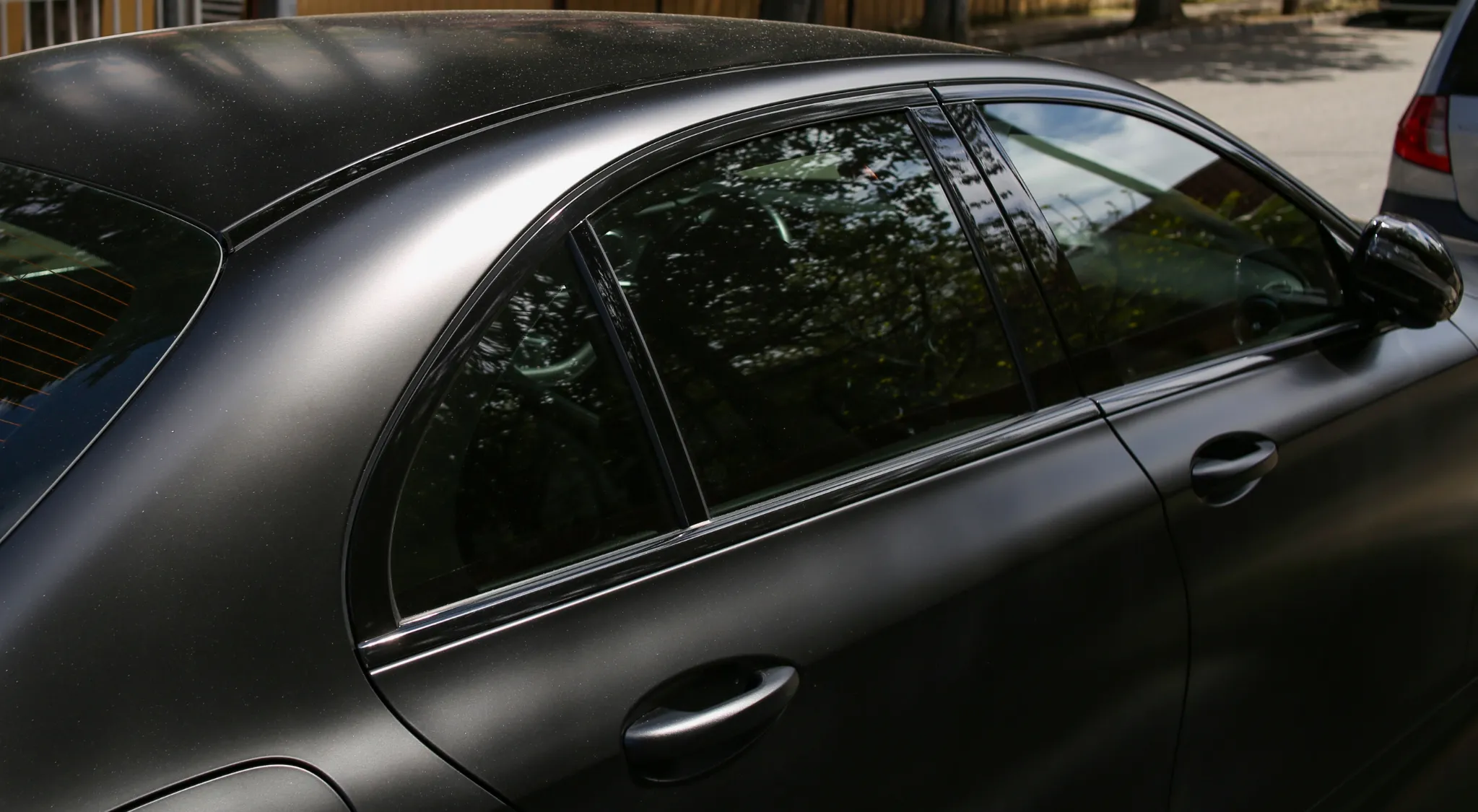
Aftermarket tint is film or another treatment added after the car was built. Insurers commonly treat this as a modification, even if it only changes how the car looks. LV= includes added window tint in its examples.
Factory privacy glass may be part of the car’s standard specification or an optional extra. Read the actual question your insurer asks: there isn’t one definition that every insurer uses.
| What you have | What to check |
|---|---|
| Factory-fitted glass | Confirm the original specification and check how your insurer treats factory options. |
| Aftermarket tint | Tell your insurer what was added and which windows are affected. |
| Not sure | Ask the seller, dealer or manufacturer. Tell your insurer what you know and what’s uncertain. |
Are tinted windows legal?
They can be. For vehicles first used on or after 1 April 1985, the glass must allow at least the following amounts of light through:
For vehicles first used before 1 April 1985, both limits are 70%. These tint limits don’t apply to the rear windscreen or rear passenger windows. Source: GOV.UK.
The appearance alone won’t tell you whether a front window meets the limit. A tint specialist can measure the light passing through it.
“But it came with the car.”
That’s common with used cars. A previous owner may have added a tint, changed the wheels or fitted an exhaust. A change doesn’t become factory specification when the car changes hands.
Start with the paperwork and the seller. Past adverts can also contain clues, such as a mention of “tinted windows”. That wording is something to investigate, rather than proof of an aftermarket modification.
Will it affect my insurance?
It depends on the insurer and the change. Ask whether it can cover the tint, whether the price or terms will change, and whether you need updated documents.
If you’ve already bought cover and realise an answer might be wrong, contact the insurer and explain. A mistake doesn’t automatically make a policy invalid.
The Financial Ombudsman explains that the questions asked, whether you took reasonable care, and what the insurer would have done with the correct information all matter. Read its guidance on incorrect information.
What to do next
- Check what’s fitted.Look for the original specification or an installation receipt. If you’re unsure, ask the seller or dealer.
- Read your insurer’s question.Check its definition of a modification, including how it treats factory options.
- Ask, then keep the answer.Explain which windows are tinted and what you know about them. Ask for written confirmation and check any updated policy documents.